cancer/INTP
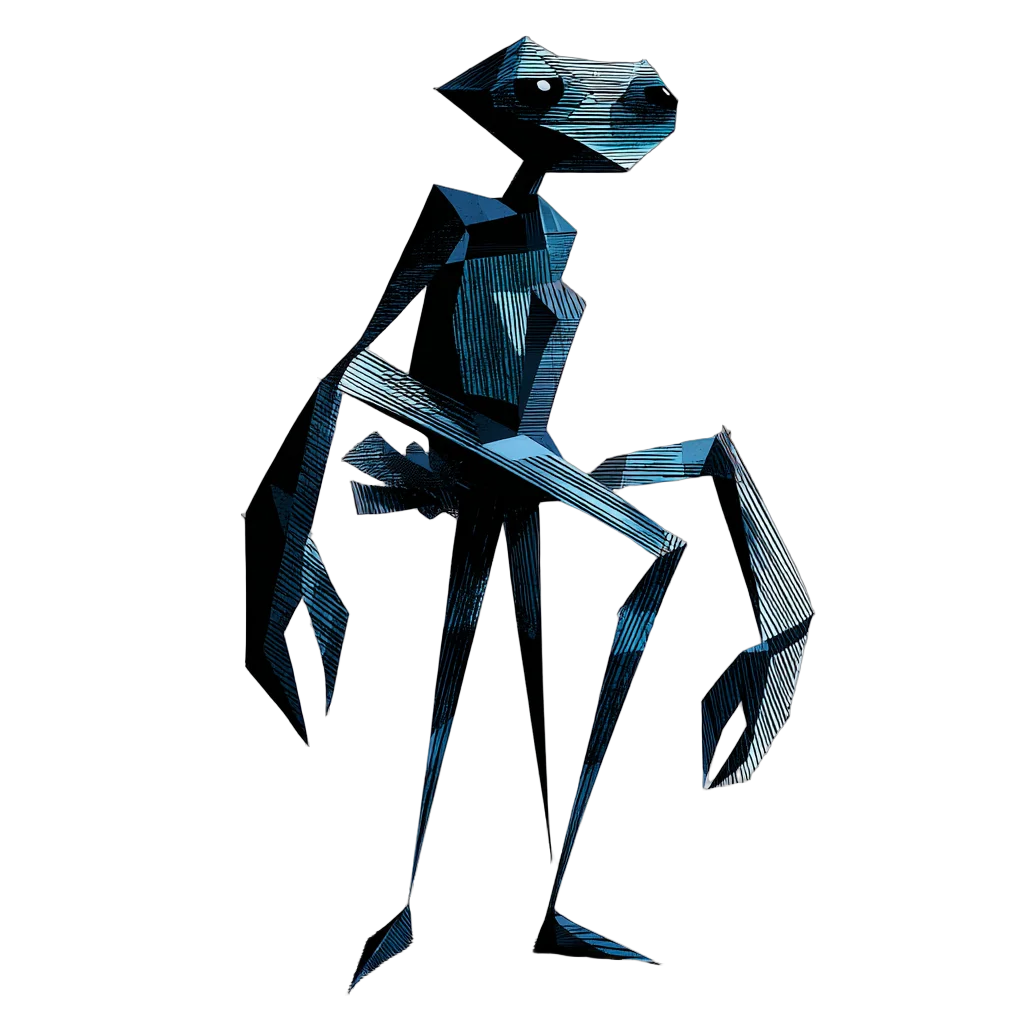
The Tidepool Theorist
A mind made of moonwater, mapping the architecture of feeling from the safety of a shuttered room.
The Archetype
There is a quiet creature who lives where the lunar pull of Cancer meets the cool cathedral of the INTP intellect, and that creature spends its hours holding seashells of thought up to a candle, turning them, listening for the sound of something true. The shell of solitude is sacred here, but inside that shell breathes a salt-warm tenderness, a longing that refuses to be filed away no matter how many theories are built around it. The mind wants to understand the heart the way a hydrologist wants to understand a river, and the heart, for its part, keeps flooding the laboratory.
To know such a soul is to glimpse a library at the bottom of a tidepool, every volume swelling and rippling with the weather of the moon. They retreat not from coldness but from a porousness so extreme that ordinary noise becomes a kind of weather inside the bones, and so they build cabins of logic where they can listen to their own feelings without drowning in them. They are archivists of mood, cartographers of the unsayable, and beneath every abstraction they offer the world, there is a small kitchen light left burning for someone they have not yet named.
Core Tension
The tides of Cancer want to belong, to nest, to be held inside the warm parenthesis of another's life, while the INTP architecture wants distance, abstraction, the cool air around an unfinished thought. One half of this being reaches toward the hearth with both hands; the other slips out the back door at the first sound of footsteps, needing the silence in which ideas can unfold their wet wings.
So the days become a quiet negotiation between the wish to be found and the wish to remain unmeasured, between the moon's instruction to feel everything and the mind's preference to feel from a great clean distance, as though watching one's own weather from a lighthouse on a separate coast.
In Love
Love arrives here like a slow fog rolling into a study where someone has been reading for hours, and it is met first with curiosity, then with a flush of unexpected devotion that surprises even its keeper. This soul loves by noticing, by remembering the small chipped detail others overlook, by constructing in private a whole theology around the beloved's gestures, though they may say very little of it aloud, preferring to leave their tenderness in the margins, in the cup of tea placed wordlessly within reach.
To be loved by them is to be studied and sheltered at once, to feel the strange grace of being both a question they cannot solve and a country they have chosen to live in, while they themselves long to be approached softly, without demand, by someone who understands that their silences are not absences but a different kind of holding.
At Work
Their best work happens in rooms with soft light and few interruptions, where the door can be closed against the world's clattering and the mind can sink into the slow geology of a problem, turning it over the way the sea turns a stone. They are drawn to questions that have a human ache at their center, to research that touches memory, to crafts that braid intuition with system, and they wilt under fluorescent urgency and the performance of teamwork that asks them to feel and think aloud at the same time.
Give them a long horizon, a quiet alcove, a subject that matters in the marrow rather than the spreadsheet, and they will return with something strange and lucid, something that could only have been made by a person who treats every idea as both a specimen and a small living thing that deserves to be kept warm.
Communication
Their words come slowly, often after a long inland silence, and when they arrive they are precise in an unexpected way, edged with metaphor, freighted with a feeling the speaker has only half-acknowledged. They will explain a complicated theory and then, almost as an afterthought, reveal something so personal it changes the temperature of the room, before retreating again behind the cool curtain of analysis as if nothing has happened.
Those who listen closely find themselves in conversation with two voices at once, the moonlit one that confides and the lantern-bright one that dissects, and the experience can feel like being spoken to by a quiet shoreline that occasionally remembers it is also the sea.
Under Pressure
When the weather turns rough, this soul does not storm outward but inward, folding the shell tighter, dimming the lamps, and retreating into a chamber where the mind begins to loop through worries dressed as logic, building elaborate scaffolds around a wound that simply wants to be noticed. The feelings rise like groundwater no theory can pump dry, and the more they rise, the more frantically the intellect tries to name them, until exhaustion becomes its own kind of tide.
In such hours they may grow distant in a way that looks like indifference but is in truth a hush of overwhelm, a creature gone deep into its burrow, waiting for the surface world to soften before it dares emerge with its translucent thoughts and trembling antennae intact.
Growth Edge
The slow ripening here lies in letting the feelings stand in the room unclassified, in resisting the old reflex to turn every ache into an essay before it has finished speaking, and in trusting that the heart's information is its own form of knowing, no less rigorous for being warm. There is a quiet courage in being witnessed mid-emotion, in allowing the moon to do its work without immediately drafting a commentary, in inviting another body into the lighthouse and discovering that the lamp still burns.
Growth comes too in honouring the shell without mistaking it for the whole sea, in stepping out from behind the theory now and then to say the small unguarded thing, and in learning that to be known is not to be solved but simply to be sat beside, while the tide does what tides have always done.