taurus/ENTJ
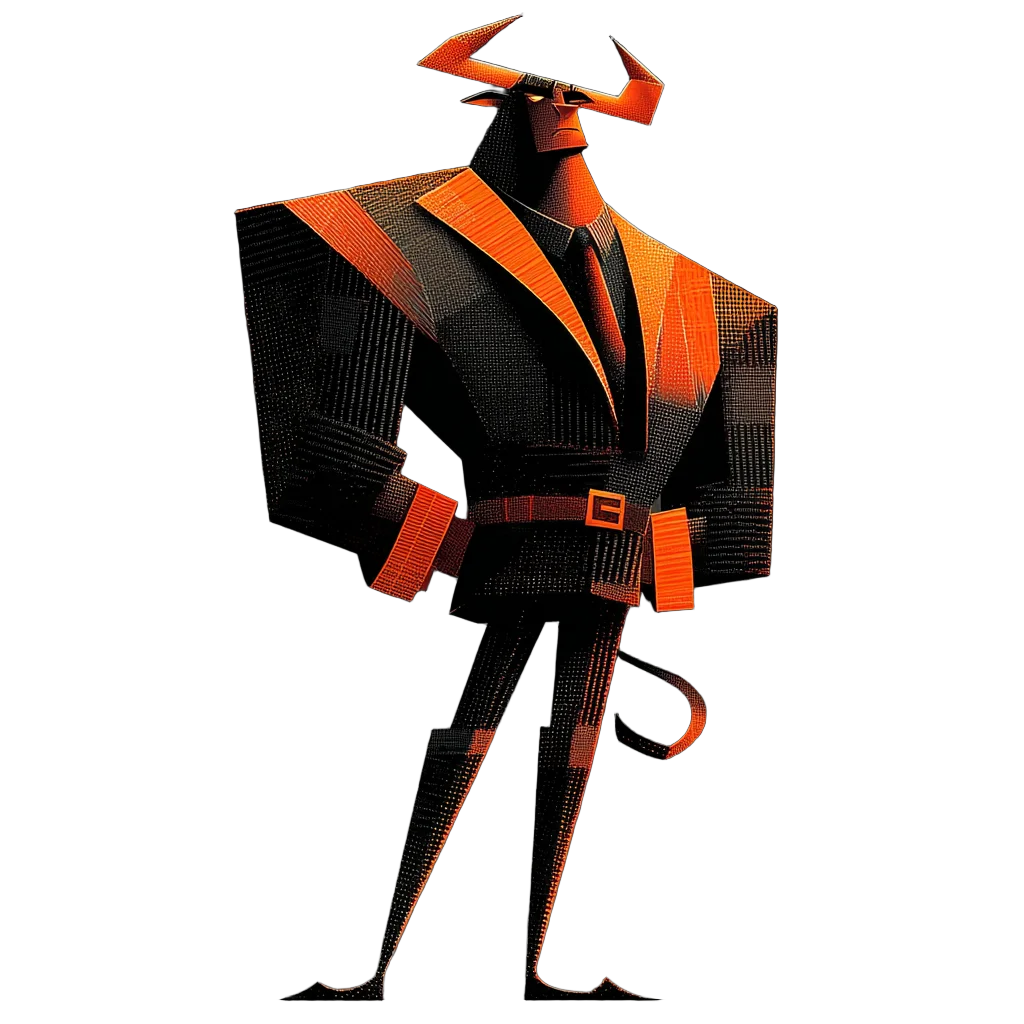
The Sovereign of Slow Empires
A commander who builds in granite while the calendar burns, treating permanence as both vocation and quiet wound.
The Archetype
Here is a creature in whom the earth-bound patience of the bull collides with the strategic appetite of the field marshal, producing a person who does not merely want things but intends them, slowly, exhaustively, with the architectural certainty of someone who has already seen the finished building in their mind and is simply waiting for the rest of us, and for matter itself, to catch up. The Taurus ENTJ does not chase; they accumulate. They do not improvise empires the way fire-sign generals do, sketching kingdoms on napkins between drinks; they lay foundations, pour concrete, and only then unfurl the flag, because for them ambition is not a feverish vision but a calmly inevitable extension of their preferences into the visible world.
What makes this combination peculiar, and faintly tragic, is that the ENTJ engine craves frontier and conquest while the Taurean body craves the velvet repetition of a known room, a familiar wine, a perfected morning. So they become builders of fortresses rather than explorers of seas, monarchs of small, exquisite empires they have polished into permanence, all the while suspecting that permanence is the cleverest lie the universe tells to those too disciplined to notice the slow erosion beneath their feet.
Core Tension
The ENTJ in them is a futurist, forever leaning into the not-yet, drafting strategies that depend on the world remaining negotiable, while the Taurus in them is a sensualist of the present, rooted in the body, in texture, in the gravity of what already exists and refuses to be hurried. One half wants to restructure the organization by Friday; the other half wants the same chair, the same espresso, the same view, because the view is, in some unspoken sense, the point.
This creates a person who can spend years executing a vision with formidable efficiency and then, almost without warning, refuse to move on from a relationship, a house, a grievance, a era of their own life that has clearly ended, because the Taurean refusal to relinquish what has been earned wars with the ENTJ insistence that nothing is sacred except the next objective. They are, in essence, a commander who occasionally mutinies against their own campaigns.
In Love
In love, this combination courts with a strange dual cadence: the directness of the ENTJ, who will state intentions like contractual terms and expect equally adult responses, paired with the slow alimentary devotion of the Taurus, who shows affection through the patient construction of a shared physical world, through meals prepared with serious attention, through fabrics chosen, through the steady accrual of routines that begin to feel like vows. They love by building infrastructure around the beloved, and they expect that infrastructure to be recognized as the proposal it is.
To be loved by them is to be claimed with a quiet finality that some find suffocating and others find, at last, like rest, but it is rarely casual; they do not flirt with possibilities they do not intend to govern, and when betrayed they do not rage so much as withdraw into a granite silence from which return is not so much forbidden as architecturally impossible, the door having been calmly walled over while you were still explaining yourself.
At Work
At work they are formidable, almost inconveniently so, because they combine the ENTJ's panoramic strategic intelligence with the Taurean refusal to be rushed into half-finished decisions, which means they produce plans that are both ambitious and structurally sound, plans that critics cannot easily dismantle because every load-bearing assumption has already been tested against the bull's stubborn realism. They need autonomy, material reward commensurate with their output, and an environment that respects both their long horizons and their non-negotiable comforts; deprive them of any of these and they will not complain, they will simply, slowly, relocate their loyalty.
They thrive in roles where empire-building is not a metaphor but a job description, where institutions, portfolios, or estates can be patiently compounded over decades, and they wither in chaotic startups whose pivots feel, to them, like a kind of moral incontinence, an inability of weaker minds to commit to the gravity of their own choices.
Communication
Their speech has the weight of a verdict even when it is meant as small talk; the ENTJ clarity gives every sentence a load-bearing function, while the Taurean tempo strips away the rhetorical flourishes other types use to soften their conclusions, leaving listeners with what feels like a stone placed deliberately on the table between you. They do not interrupt often, but when they do, the conversation reorganizes around them, not from charisma alone but from the quiet conviction that they have already considered what you are about to say and reached the relevant conclusion.
Others experience them as commanding, occasionally immovable, sometimes unexpectedly tender in the register of practical care, and almost never spontaneous in the verbal acrobatics that pass for intimacy elsewhere; intimacy for them is communicated through consistency of presence rather than fluency of disclosure, which can be mistaken for coldness by those who require their warmth to be narrated aloud.
Under Pressure
Under pressure, the ENTJ instinct is to seize control, restructure the situation, and dictate terms, while the Taurean instinct is to dig in, slow down, and refuse to be moved, and the result is a person who, when truly overwhelmed, becomes simultaneously hyper-directive and immovably entrenched, issuing orders from a position they will not leave even when the position itself has become the problem. They eat, they spend, they fortify their bodies and their territories with sensory ballast, mistaking the accumulation of weight for the regaining of ground.
What collapses first is rarely their competence, which can run on fumes for an unsettling duration, but their tolerance for ambiguity; they begin to demand certainty from people who have none to give, and to interpret others' hesitation as betrayal, until the cost of their fortress becomes the loneliness inside it, which they will, characteristically, refuse to name even to themselves.
Growth Edge
The work, if they choose it, lies in learning that not every loss is a defeat to be prevented and not every change is an enemy to be out-strategized, that some of what they have so carefully built must be allowed to weather, to be eaten by time, to pass into other hands or into nothing at all, because the alternative is to spend a finite life guarding monuments to a self that has already quietly moved on without informing the guards. The growth edge is impermanence, not as slogan but as practice, as a daily small relinquishing.
This means cultivating relationships in which they are not the sole architect, accepting counsel they did not solicit, and allowing the body, that great Taurean instrument, to teach them what the ENTJ mind resists: that there are seasons one does not command, only inhabits, and that the dignity they seek through dominion may, in the end, be more honestly approached through a kind of attentive, unillusioned surrender.